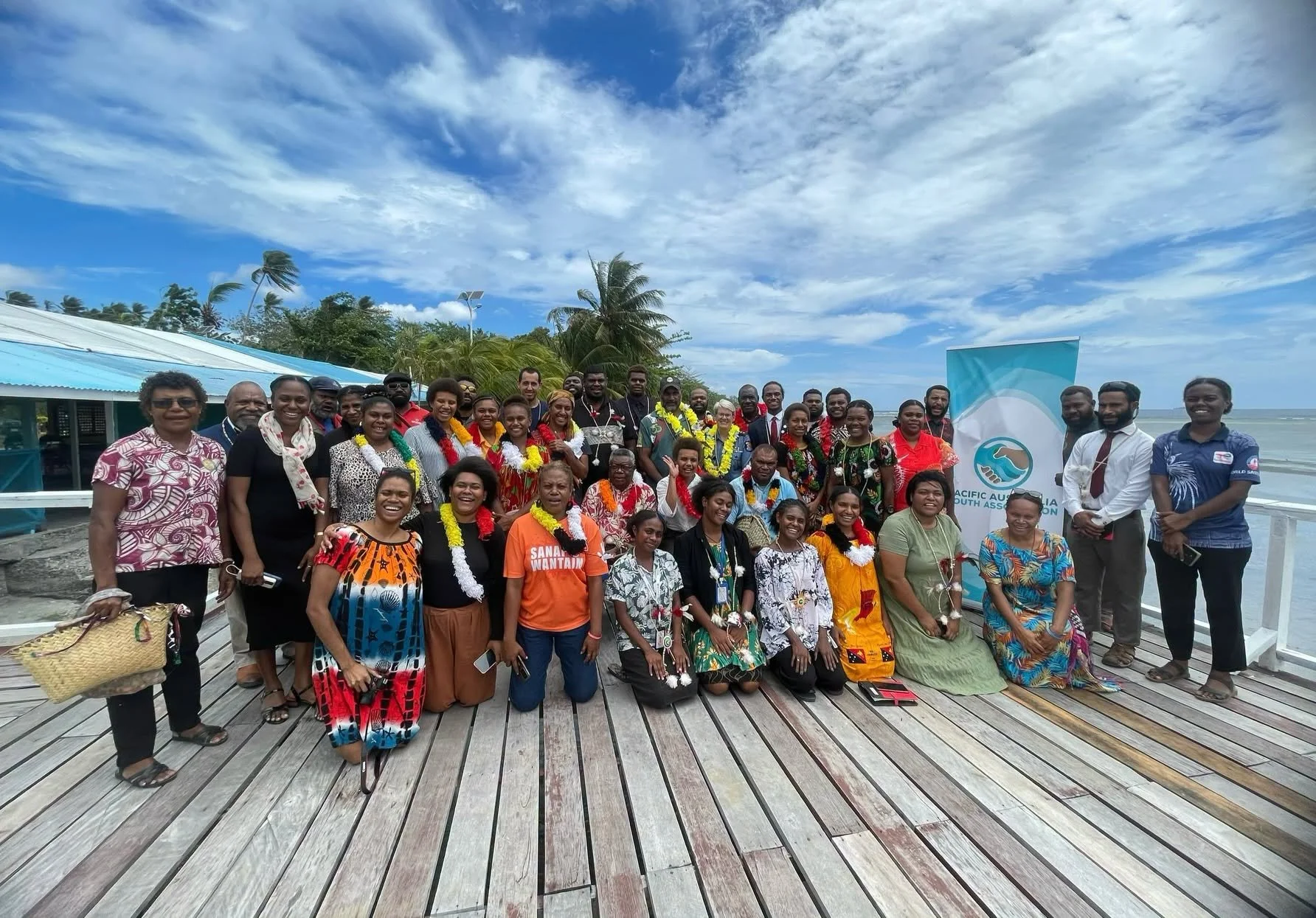
From the slopes of an active volcano to conversations about the future of Papua New Guinea, the PNG Regional Youth Summit 2026 brought together young leaders for four unforgettable days of learning, cultural exchange and community engagement in East New Britain Province.
Held from 14 to 17 September 2026, the Summit was organised by the Pacific-Australia Youth Association (PAYA) under the theme "Youth Empowerment for a Sustainable Future." It provided a platform for emerging leaders to share experiences, develop practical skills, explore community challenges and strengthen the relationships that will help shape the future of Papua New Guinea and the wider Pacific.
Through interactive workshops, inspiring presentations, community visits and cultural celebrations, delegates were encouraged to recognise their potential, embrace their responsibilities and turn their ideas into meaningful action.
The Summit also coincided with celebrations marking Papua New Guinea's 51st Independence Day, making the experience particularly significant as participants reflected on their country's history, cultural identity and aspirations for the future.
Day 1: A Traditional Welcome and a Call to Leadership
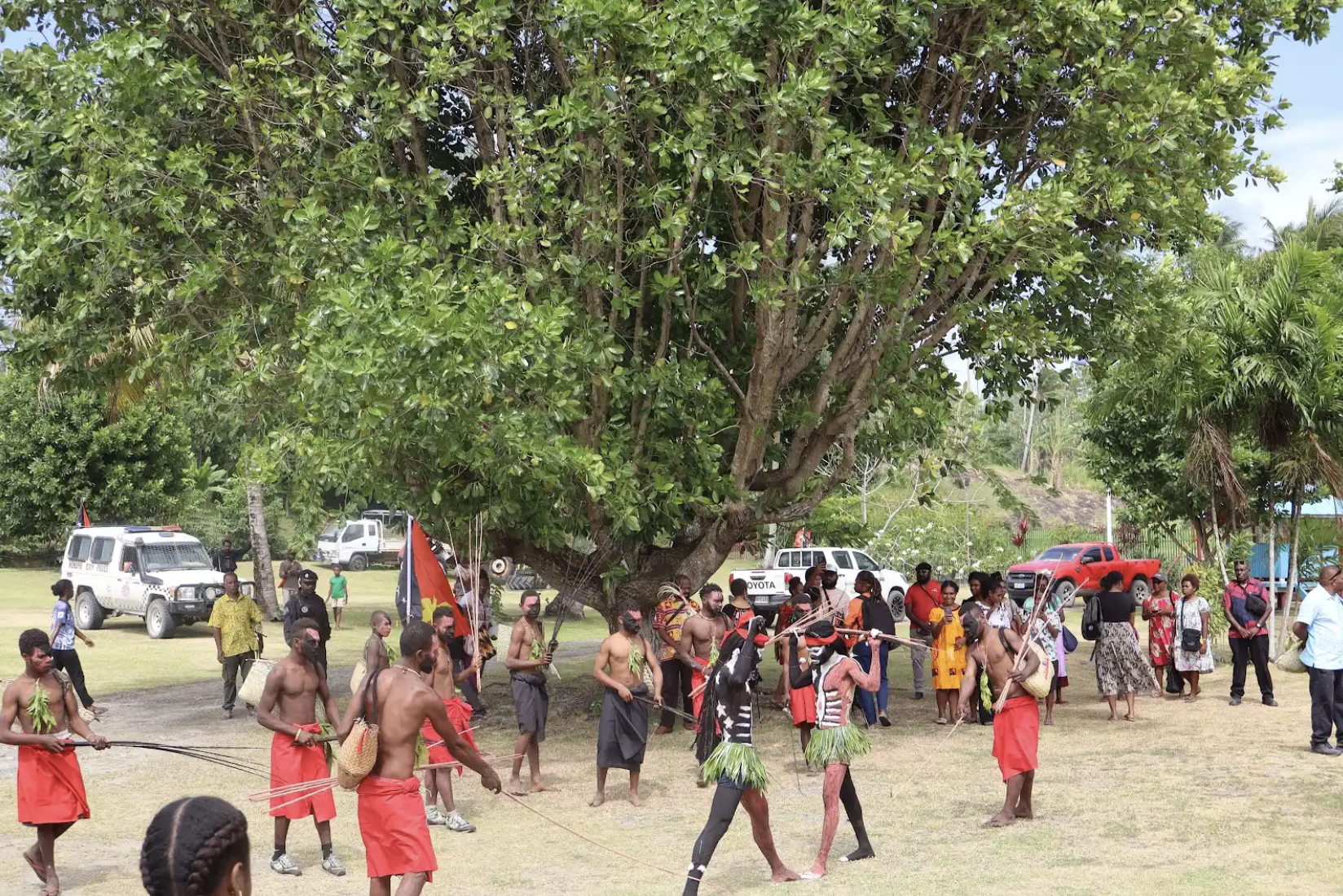
The Summit began with a celebration of East New Britain's rich cultural heritage.
Delegates and invited guests were welcomed through a traditional whip dance, followed by the presentation of shell money laces, an important expression of cultural respect and hospitality.
It was a fitting beginning to a gathering centred on the idea that the future of Papua New Guinea must be built upon the strengths, knowledge and traditions of its people.
The opening ceremony featured an address by Hon. Michael Marum, Governor of East New Britain Province, who delivered a powerful message about the responsibility of young people to take ownership of their futures.
Rather than waiting for opportunities to arrive, he encouraged delegates to become active participants in creating change.
"Don't wait for someone to build your future. Turn up, organise and take action."
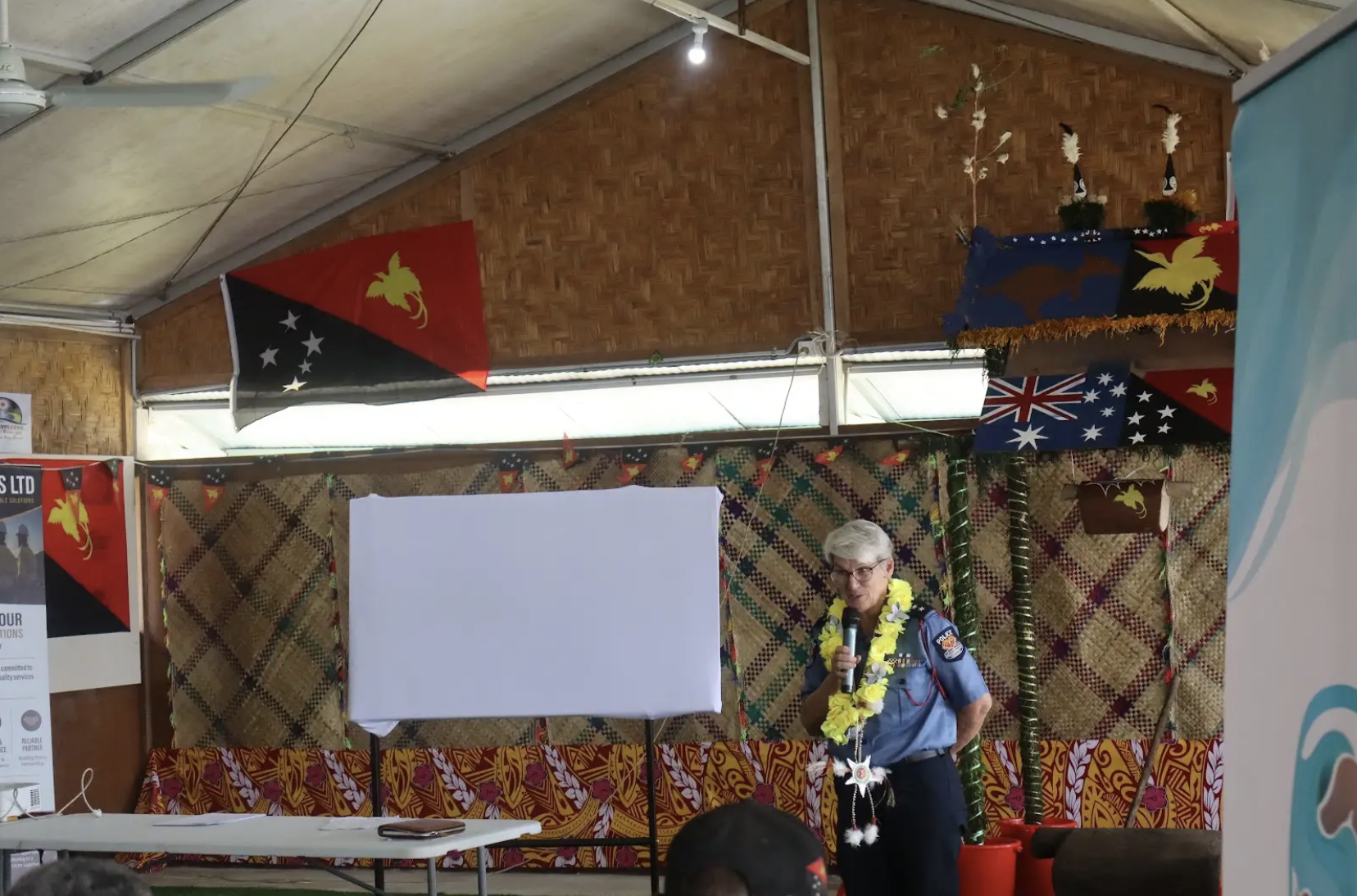
His message was reinforced by Chief Superintendent Amanda Kates, East New Britain Provincial Police Commander, and Mr Levi Mano, Provincial Administrator, who emphasised the importance of unity, responsibility and cooperation among young people.
Their remarks established a central theme that would continue throughout the Summit: young people are not simply the leaders of tomorrow. They have the ability to lead and contribute to their communities today.
Finding Solutions Through Talanoa
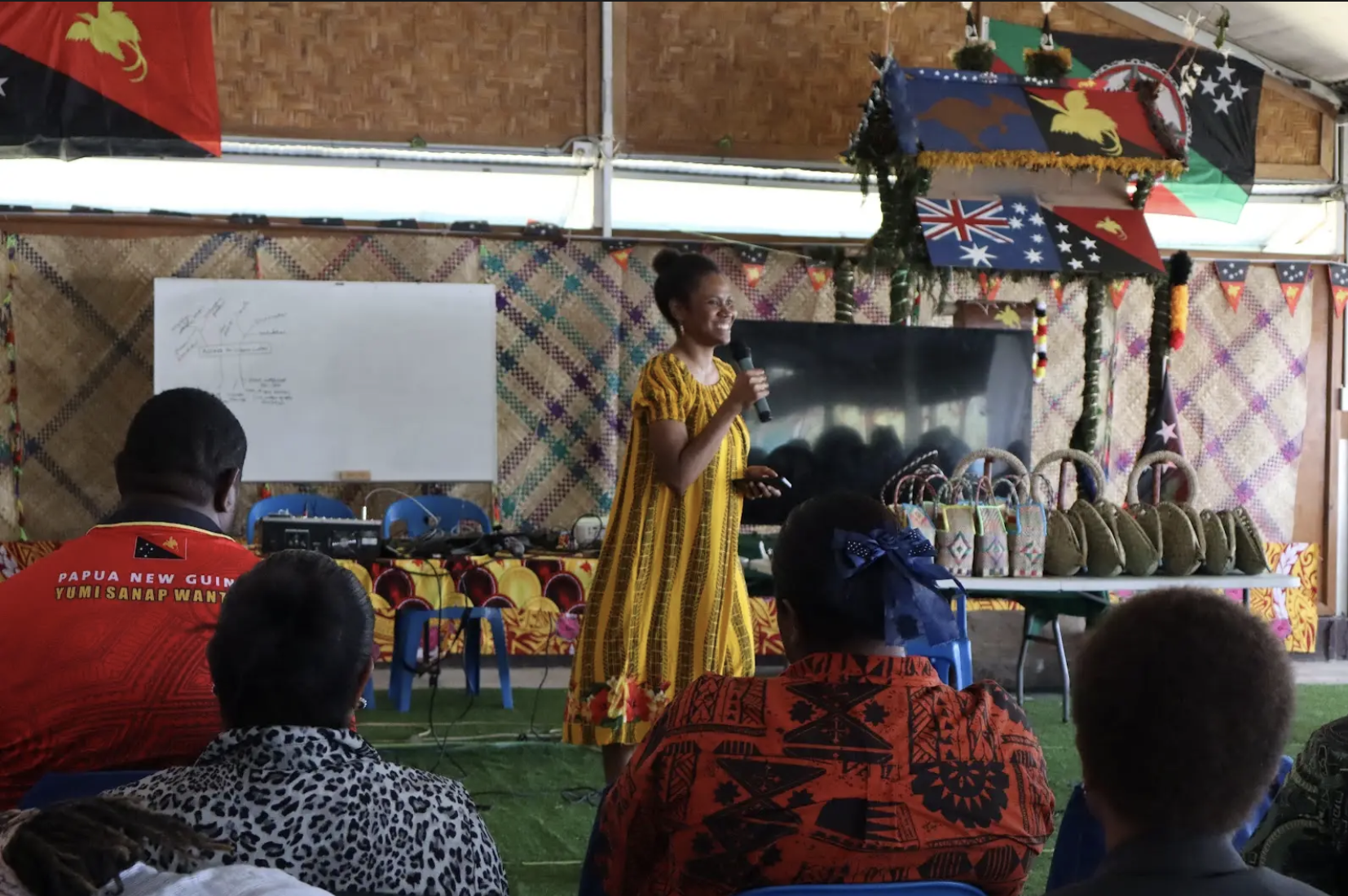
Following the opening addresses, delegates participated in a Talanoa Dialogue exploring youth leadership and sustainable futures.
The discussion brought together Chief Superintendent Amanda Kates; Johnston Riven, Head of Project at the Melanesian Spearhead Group (MSG); Glen Burua; and PAYA Chief Executive Officer, Phillie Julai Marai.
Together, they explored some of the challenges facing young people across Papua New Guinea, particularly the need to balance cultural preservation with modern innovation.
How can young people embrace new opportunities without losing their cultural identity? How can traditional knowledge inform contemporary solutions? And how can emerging leaders remain grounded in their values while responding to changing social and economic circumstances?
These questions encouraged participants to consider leadership not simply as a position of authority, but as a commitment to serving others and finding solutions that reflect the needs of their communities.
Turning Ideas Into Action
The afternoon shifted from discussion to practical learning through an introductory Project Proposal Writing workshop facilitated by Johnston Riven and Phillie Julai Marai.
For many young people, having an idea for improving their community is only the beginning. Turning that idea into a structured project capable of attracting support and delivering measurable outcomes can be a significant challenge.
The workshop introduced delegates to the foundations of developing effective proposals, encouraging them to think critically about community needs, practical solutions and the resources required to make their ideas a reality.
The day concluded with networking and introductions, allowing participants to share their experiences, establish new friendships and begin forming connections that would grow throughout the Summit.
By the end of the first day, a clear message had emerged: meaningful change begins when young people recognise their capacity to act.
Day 2: Building Practical Skills and Learning From Communities
The second day focused on equipping delegates with practical tools for leadership, entrepreneurship and community development.
Building on the previous day's discussions, participants explored how ideas could be transformed into projects, how technology influences young people's lives and how grassroots initiatives can create lasting environmental and social impact.
From Community Challenges to Project Proposals
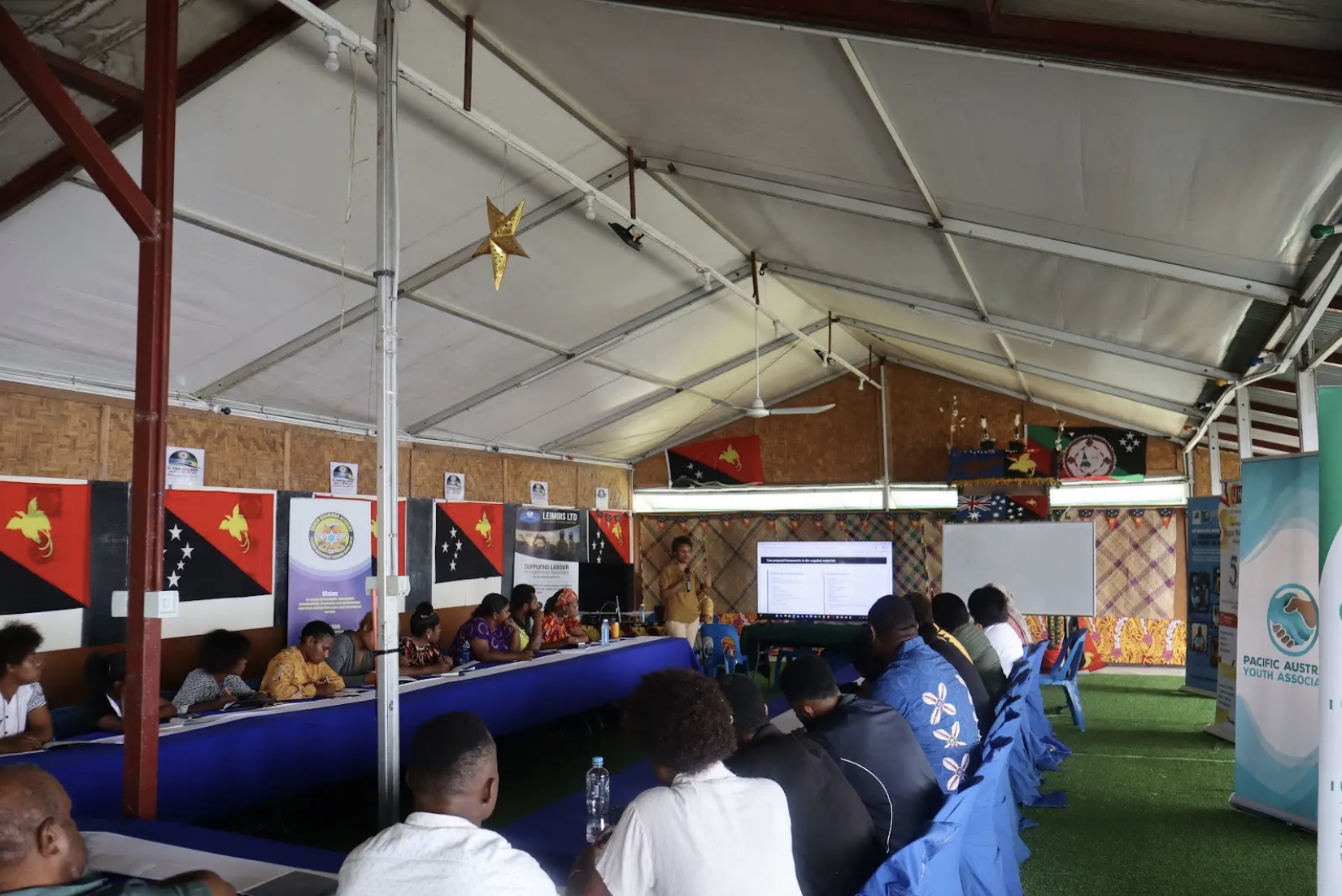
The morning began with an interactive Project Proposal Writing workshop led by PAYA CEO Phillie Julai Marai.
Moving beyond the introductory session, delegates were guided through a more detailed framework for developing solution-focused proposals.
Working collaboratively in groups, participants identified community challenges, discussed possible interventions and began preparing proposals to be presented on the final day of the Summit.
The exercise encouraged delegates to move from identifying problems to developing practical responses, reinforcing the importance of teamwork, planning and accountability.
More importantly, it demonstrated that young people do not need to wait until they hold formal leadership positions to begin making a difference.
Reclaiming Attention in a Digital World
The next session addressed a challenge familiar to young people across the Pacific: maintaining focus, wellbeing and meaningful connections in an increasingly digital world.
Lucy Napitalai, PAYA Chief Projects Officer, facilitated a workshop titled Connected but Disconnected: Reclaiming Our Attention in the Age of Social Media.
The session invited delegates to reflect on their relationships with technology and consider how excessive digital engagement can affect productivity, attention and personal development.
Through a practical digital self-audit, participants examined their online habits and explored strategies for developing greater digital discipline.
The workshop encouraged young leaders to use technology intentionally, recognising that the ability to manage their attention is an important part of personal responsibility and effective leadership.
Creating Opportunities Through Entrepreneurship
Delegates then heard from Lucy Leilah, Student Entrepreneurship Advocate and Small Business Consultant, who facilitated a session on Youth Entrepreneurship: Creating Opportunities and Building Income Streams.
Drawing on her experience, Lucy shared practical insights into transforming personal interests, skills and passions into sustainable income-generating opportunities.
Her presentation challenged participants to think creatively about entrepreneurship and recognise the potential for young people to contribute to their local economies.
The discussion also highlighted that entrepreneurship is not simply about establishing a business. It can be a pathway towards financial independence, innovation and community development.
Protecting East New Britain's Marine Environment
Environmental conservation became a major focus during the afternoon.
Joining delegates virtually, Emma Oliver, Conservation Programme Manager at WWF, introduced participants to the work of ENB Sea Keepers, a grassroots conservation initiative supporting coral restoration, youth training and environmental awareness in East New Britain.
Emma shared how small beginnings can develop into meaningful community initiatives, highlighting the role of young volunteers in protecting their natural environment.
A particularly memorable message was that passion does not require permission to begin.
The presentation demonstrated how committed individuals can mobilise communities, build partnerships and contribute to environmental protection through practical action.
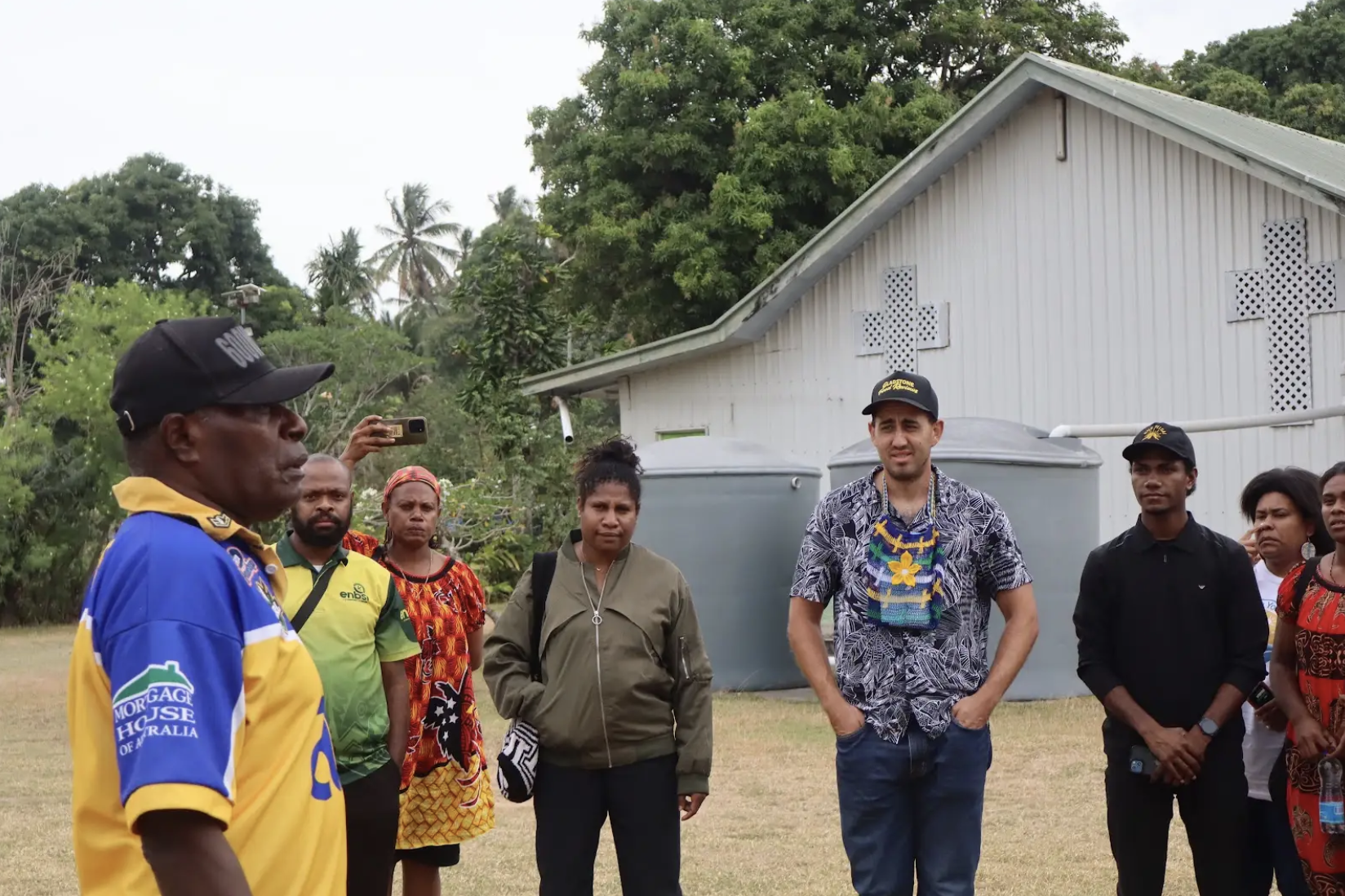
Following the session, delegates travelled to Ialakua Village to experience the work of ENB Sea Keepers firsthand.
The delegation received a warm welcome from local Ward Member Akuila Tali, who presented traditional shell money, known locally as tabu, to PAYA CEO Phillie Julai Marai.
Young conservation volunteers then shared their experiences working on coral restoration and community environmental activities.
The visit provided an opportunity for participants to connect the ideas discussed during the workshop with real examples of community-led conservation.
It also reinforced the importance of ensuring that local communities remain central to decisions affecting their environments and livelihoods.
During the visit, Miss East New Britain 2025–26, Lois Lavutul, with support from LJ Hooker, donated food items and stationery to the Ialakua community.
The gesture reflected the collaborative spirit of the Summit and the value of supporting communities through meaningful partnerships.
As the second day drew to a close, delegates had gained more than theoretical knowledge. They had seen how leadership, enterprise and environmental responsibility could be expressed through practical community action.
Day 3: Climbing Mt Tavuvur and Celebrating Papua New Guinea
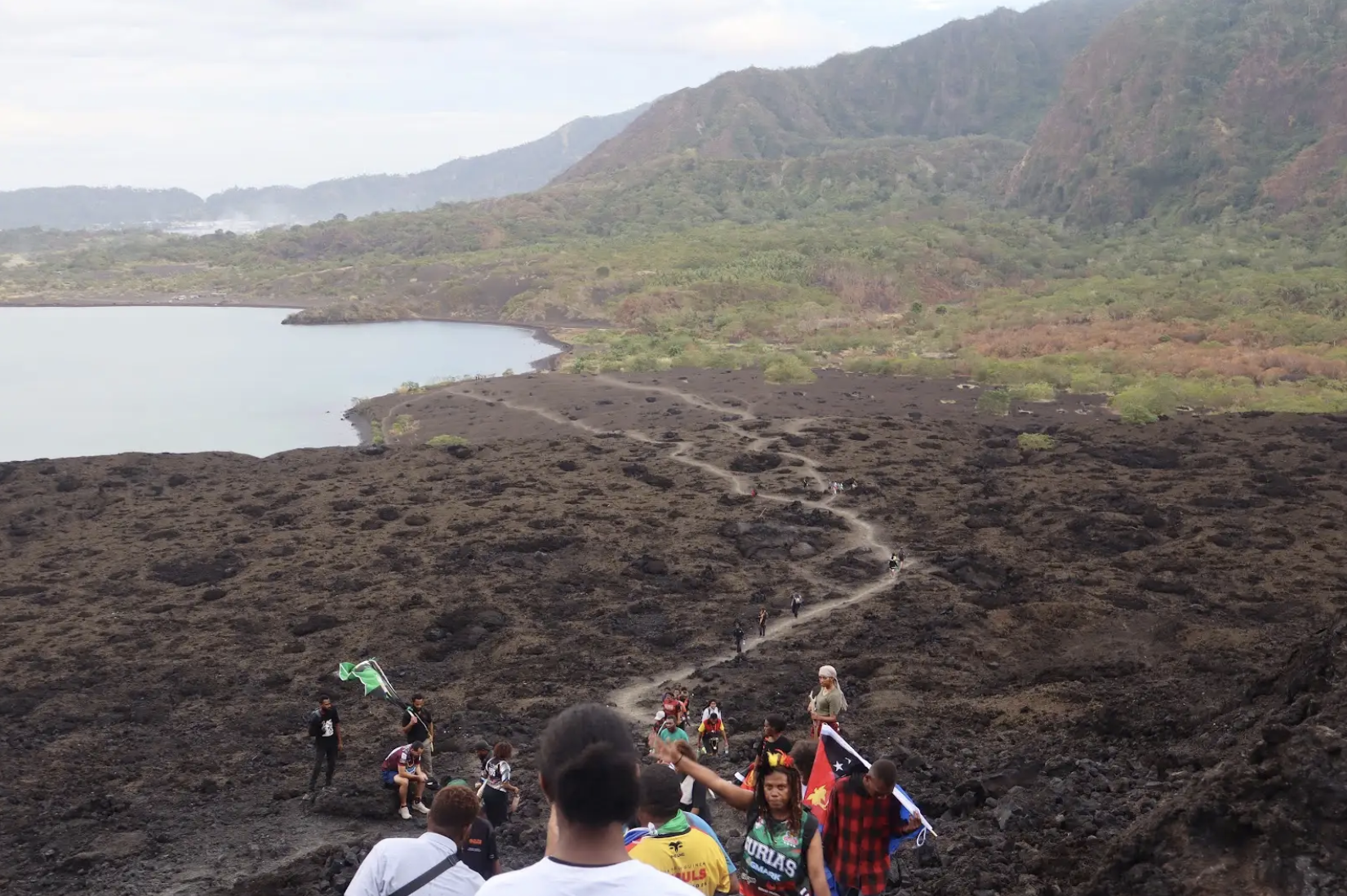
For many delegates, the third day would become one of the most memorable experiences of the entire Summit.
The morning began at 3:00 am, when participants boarded transport bound for the hot springs near Mt Tavuvur, one of East New Britain's most recognisable volcanic landmarks.
Their destination was the summit of the volcano, but the journey was designed to offer something more than a physical challenge.
Facilitated by Glen Burua, Leadership Reflection: The Climb transformed the ascent into an opportunity for personal reflection, resilience and teamwork.
Leadership Lessons Along the Mountain
Throughout the climb, delegates participated in five reflection stops, each representing a different aspect of leadership development.
The Start: Recognising Our Burdens
At the beginning of the climb, each delegate picked up a rock representing a personal burden.
For some, it symbolised fear of failure or self-doubt. For others, it represented expectations, difficult experiences or challenges they had yet to overcome.
The exercise encouraged participants to recognise that effective leadership begins with self-awareness.
Before helping others navigate challenges, leaders must first understand the experiences and beliefs shaping their own decisions.
Release and Teamwork: Learning to Trust Others
As the climb continued, delegates reflected on the importance of releasing unnecessary burdens and accepting support.
Leadership can sometimes create the expectation that individuals must have every answer and overcome every difficulty independently.
This reflection challenged that assumption, reminding participants that successful leadership depends on collaboration, vulnerability and the willingness to trust others.
Coach: The Importance of Mentorship
The next stop explored the role of mentors, coaches, friends and family in personal and professional development.
Delegates considered the people who had encouraged them, challenged them and provided guidance during difficult moments.
It was a reminder that strong leaders are rarely formed in isolation. They develop through relationships with people who recognise their potential and help them grow.
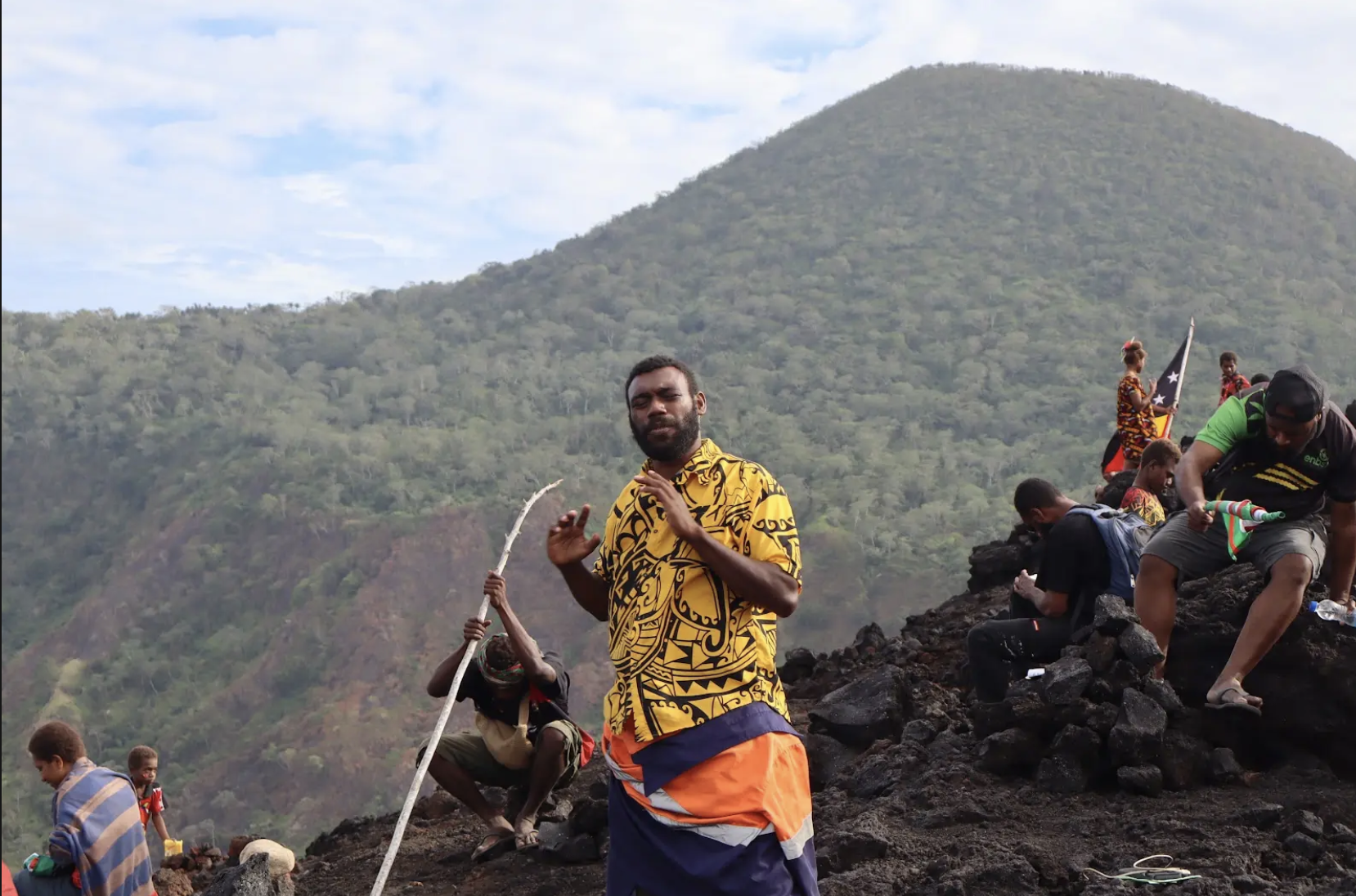
The Lonely Tree: Resilience and Purpose
At the Lonely Tree, the focus turned towards the challenges of leadership.
Leadership can be demanding, particularly when individuals must make difficult decisions, stand by their values or pursue goals that others may not immediately understand.
This reflection encouraged delegates to remain grounded in their purpose, maintain resilience and recognise that difficult moments are often part of meaningful personal growth.
The Summit: Perseverance and Commitment
Finally, reaching the summit became a symbol of perseverance and achievement.
The physical demands of the climb reflected the obstacles that leaders encounter throughout their journeys.
Each step, challenge and moment of encouragement contributed to reaching the destination.
The experience demonstrated that leadership is not defined solely by reaching a goal, but by the commitment, relationships and lessons developed along the way.
As delegates looked back on their journey, the message was clear: leadership begins with self-awareness, grows through relationships and is sustained through perseverance.
The question is not whether the climb will be difficult, but whether we are willing to keep climbing.
Celebrating 51 Years of Papua New Guinea's Independence
Following their early morning adventure, delegates joined celebrations marking Papua New Guinea's 51st Independence Day.
They participated in an Independence Day float travelling from Kabakaul to Kokopo Secondary School, joining local communities in celebrating the nation's history, identity and achievements.
For the young leaders, the celebrations provided a powerful opportunity to reflect on their role in Papua New Guinea's future.
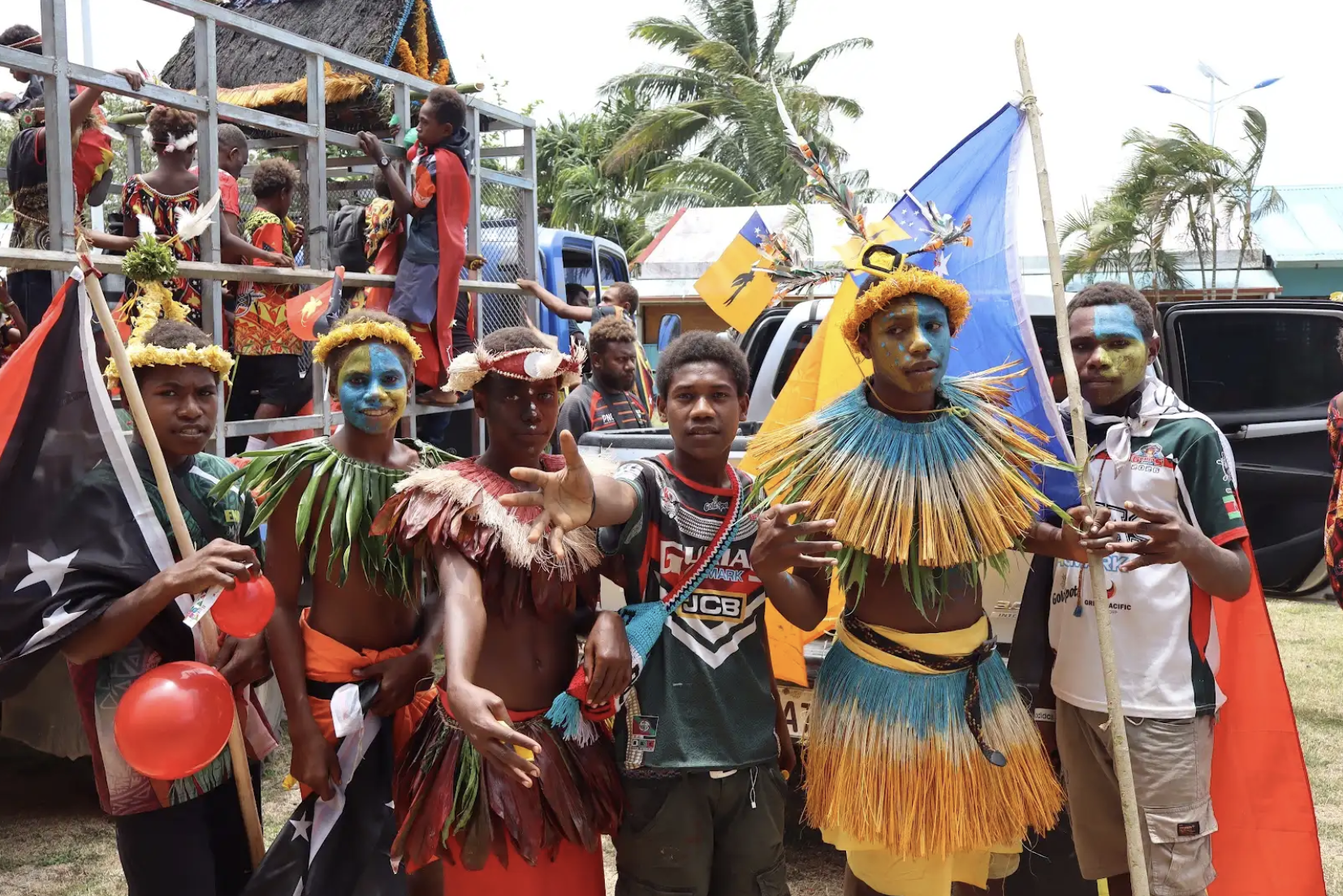
The country has experienced significant transformation since gaining independence in 1975, and the responsibility of continuing its development will increasingly rest with younger generations.
Against the backdrop of national celebrations, the Summit's message of youth empowerment took on particular significance.
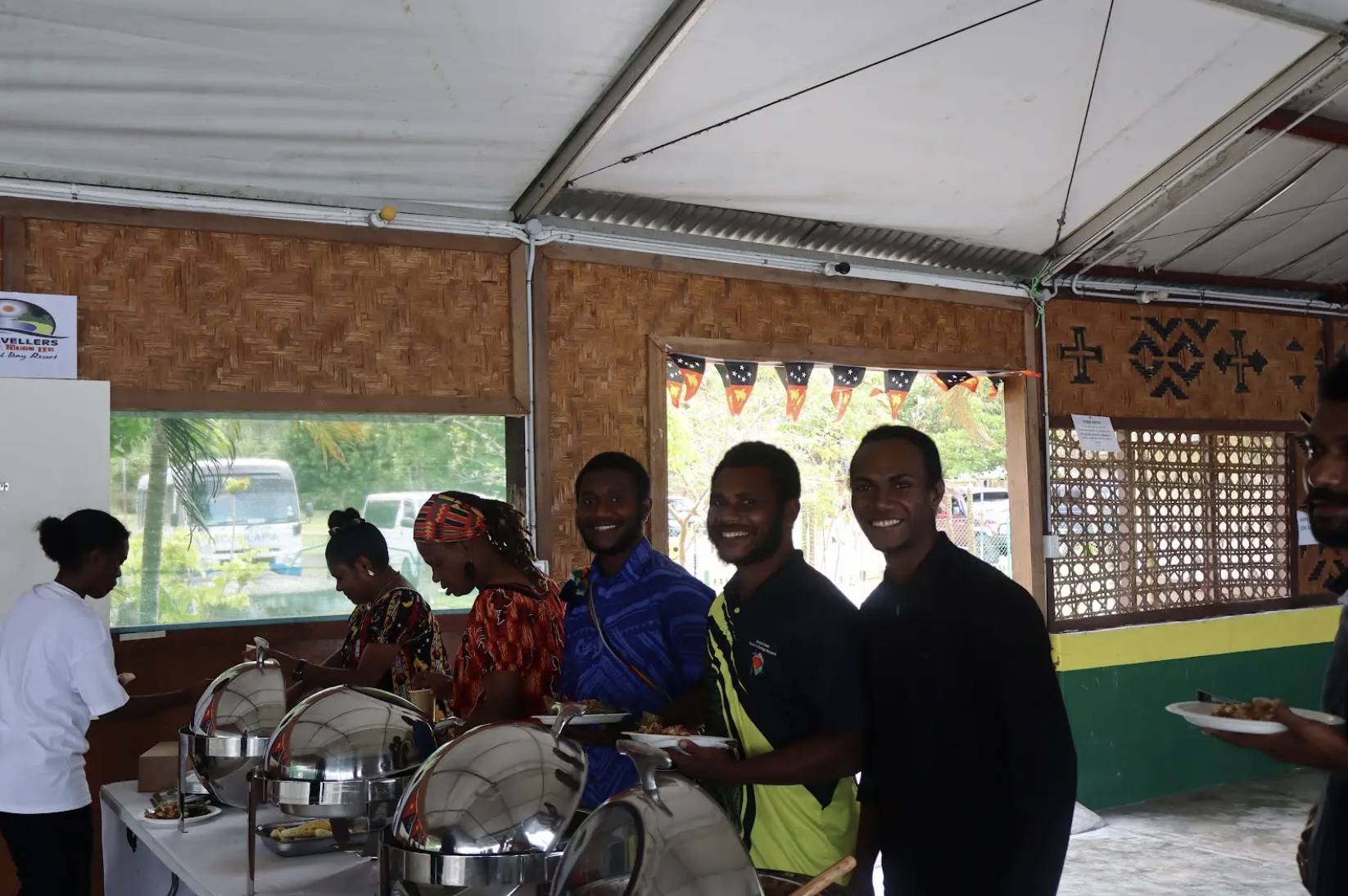
Delegates later returned to Kabakaul Bay Resort, where they prepared traditional dishes alongside members of the local community.
The experience offered another opportunity for cultural exchange, bringing participants together through food, storytelling and shared traditions.
Celebrating Culture at Roman Grammar School
The day's activities continued with celebrations marking the 10th anniversary of Roman Grammar School, one of the Summit's local stakeholders.
Delegates joined the school community for traditional dances, singsing performances and cultural exchanges showcasing the rich traditions of East New Britain.
The celebrations provided a vibrant reminder that culture remains central to community life and identity.
For participants, it was an opportunity to experience the hospitality, creativity and pride of their hosts while reflecting on the importance of preserving cultural knowledge for future generations.
From climbing a volcano before sunrise to celebrating national independence and sharing traditions with local communities, the third day brought together physical challenge, cultural immersion and personal reflection.
It demonstrated that leadership development does not take place only in classrooms or conference venues. Some of its most meaningful lessons emerge through shared experiences.
Day 4: Celebrating Achievement and Carrying the Momentum Forward
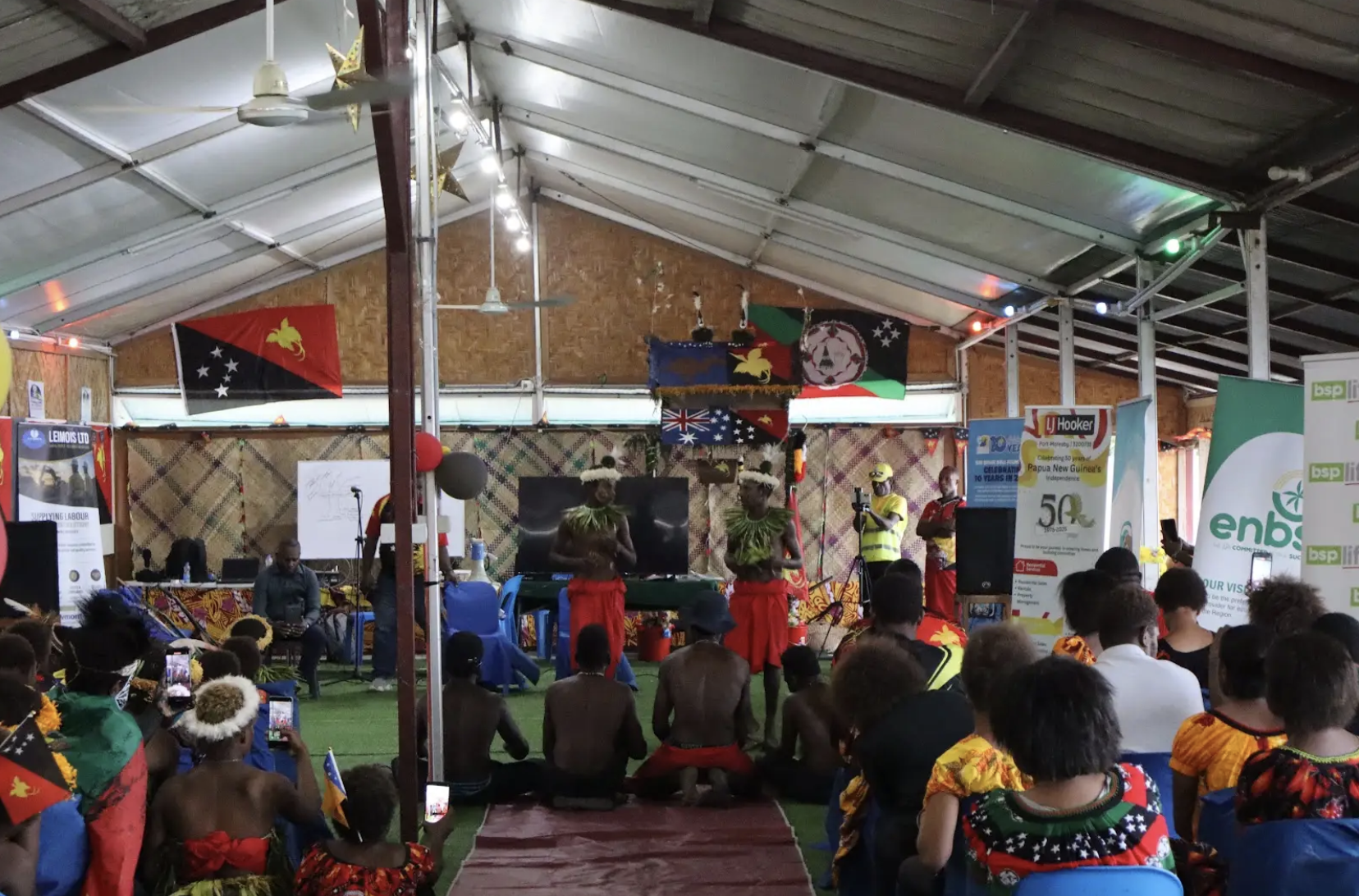
After four days of learning, collaboration and cultural exchange, the PNG Regional Youth Summit concluded with a closing ceremony recognising the achievements of delegates and the contributions of the people who made the event possible.
The ceremony brought together speakers, community representatives, organisers and participants to reflect on the Summit's central message: young people have an important role in shaping stronger, more sustainable communities.
Final Messages of Encouragement
The closing ceremony featured addresses from Peter Kelly and Nancy Keake, representing the Sir Brian Bell Foundation; Leo Bualia, representing Chief Sir Leo Dion; and Jessie Penning, PAYA Board Director and Treasurer.
Each speaker emphasised the importance of leadership, service and taking meaningful action.
Their messages encouraged delegates to apply the knowledge and skills gained throughout the Summit to their own communities.
Across the four days, participants had explored challenges ranging from environmental conservation and entrepreneurship to digital wellbeing and cultural preservation.
The closing addresses provided an opportunity to consider how those lessons could continue beyond the Summit.
The responsibility now rested with delegates to transform their learning into action.
Recognising Our Emerging Leaders
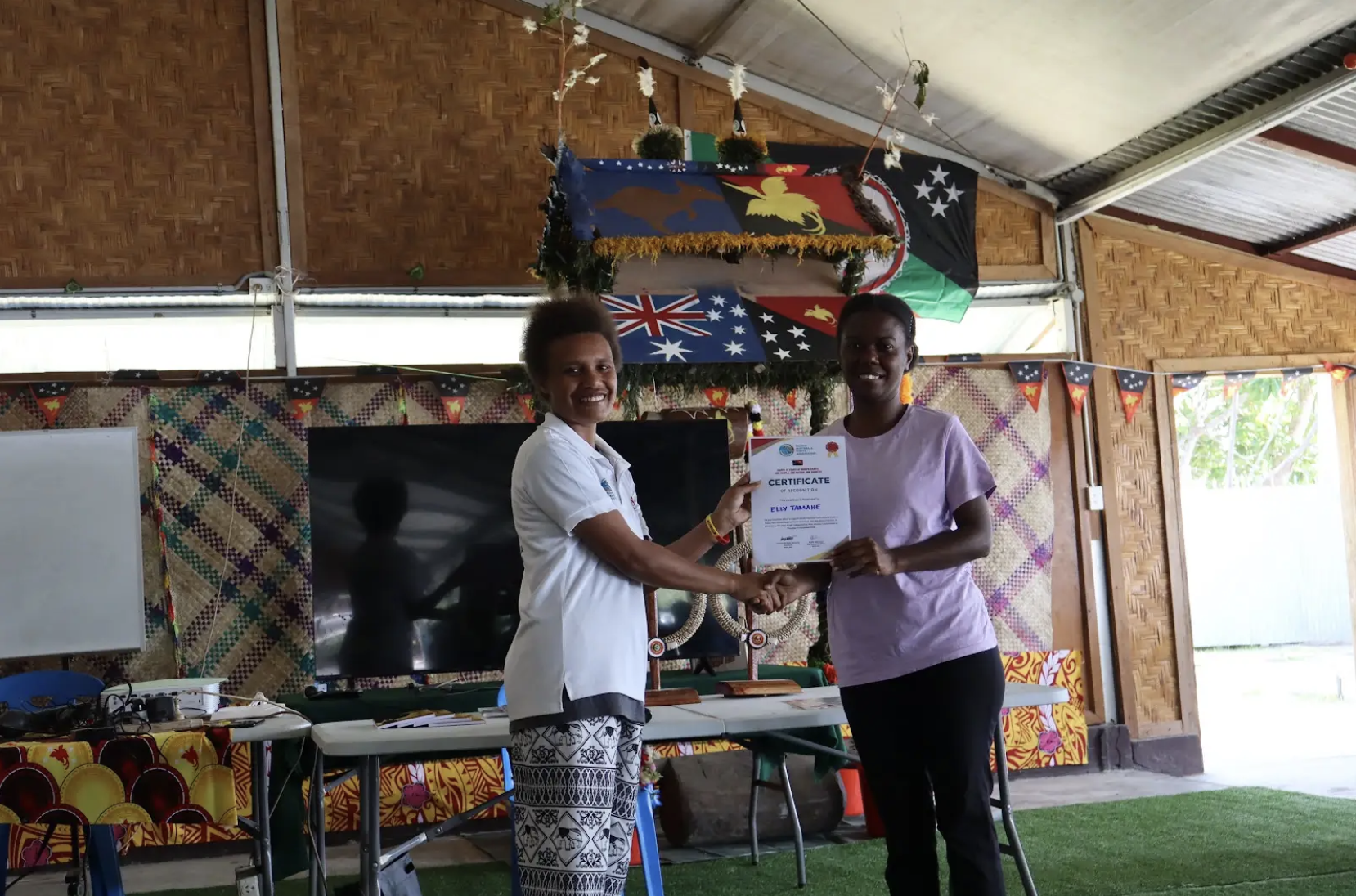
One of the most significant moments of the ceremony was the presentation of Certificates of Achievement to delegates.
The certificates recognised their participation, engagement and contributions throughout the program.
For PAYA, the presentation was an opportunity to celebrate not only the completion of four days of activities, but also the commitment demonstrated by participants to developing themselves as leaders.
Throughout the Summit, delegates had stepped outside their comfort zones, worked collaboratively, challenged their perspectives and established new relationships.
These achievements reflected the purpose of the Summit: helping young people recognise their potential and giving them practical opportunities to develop it.
Recognising the People Behind the Summit
The closing ceremony also acknowledged the dedication of the local organising committee responsible for bringing the event to life.
Led by PAYA CEO Phillie Julai Marai, the PAYA Regional Summit Local Committee included:
Lucy Napitalai
Elly Tamahe
Glen Burua
Samson Norman Pauria
Casper Waal
Tiolam Wawaga
Wendy Julai
Certificates of Recognition were presented in appreciation of their commitment, teamwork and contribution to the successful delivery of the Summit.
Organising a regional youth gathering requires extensive planning, coordination and community engagement. The efforts of the local committee helped ensure that delegates could participate in a meaningful and memorable program.
PAYA also extends its sincere appreciation to the speakers, facilitators, sponsors, partners, local communities and organisations whose contributions supported the Summit.
Their involvement demonstrated the importance of partnerships in creating opportunities for young people across Papua New Guinea.
More Than a Summit: Building the Next Generation of Pacific Leaders
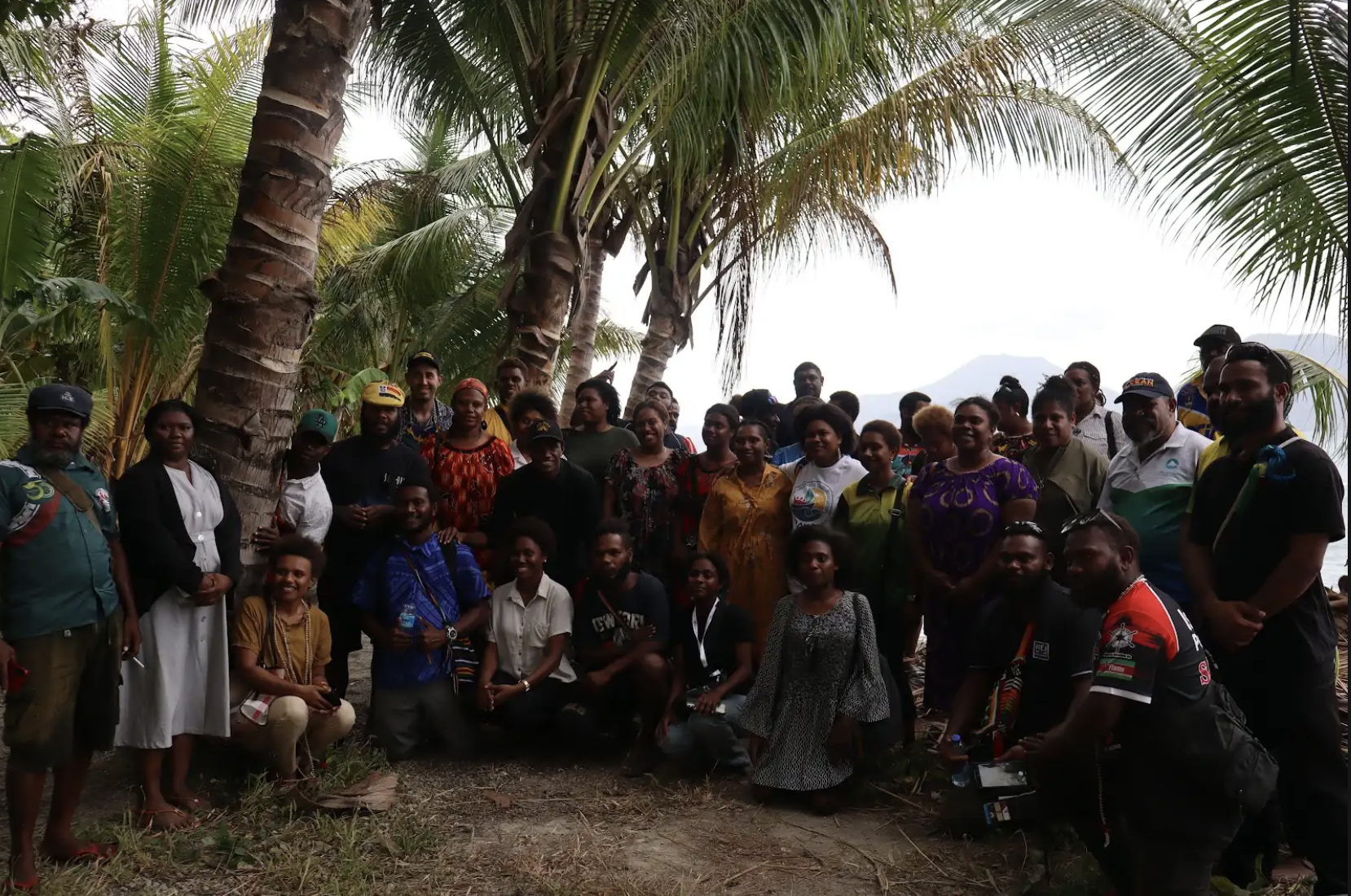
The PNG Regional Youth Summit 2026 was more than a gathering of young people.
It was an opportunity to connect leadership development with the realities of community life, cultural identity and sustainable development in Papua New Guinea.
Across four days, delegates engaged in challenging conversations, developed practical project planning skills, explored entrepreneurship, reflected on their relationship with technology and witnessed grassroots environmental conservation in action.
They also experienced the importance of resilience and teamwork through the climb up Mt Tavuvur and celebrated the cultural heritage and national identity that continue to shape Papua New Guinea.
Perhaps most importantly, they developed connections with other young people who share a commitment to strengthening their communities.
These relationships are among the most valuable outcomes of any youth leadership program.
They create opportunities for continued collaboration, knowledge exchange and mutual support long after the formal activities have ended.
For the Pacific-Australia Youth Association, the Summit reinforced our commitment to empowering young people to become active contributors to their communities and the wider Pacific region.
We believe that sustainable development must be driven by the people and communities it seeks to serve, and that young people have an essential role in that process.
By investing in youth leadership, strengthening regional connections and creating opportunities for practical learning, PAYA aims to support a generation of leaders who are confident in their identities, grounded in their values and equipped to respond to the challenges facing their communities.
As the delegates returned home, they carried with them new knowledge, friendships, experiences and a renewed sense of purpose.
The Summit may have concluded, but the ideas developed, relationships formed and commitments made will continue beyond East New Britain.
To every delegate, speaker, facilitator, volunteer, sponsor, partner and community member who contributed to the PNG Regional Youth Summit 2026: thank you.
Your enthusiasm, generosity and commitment helped make this gathering a meaningful celebration of youth leadership and the future of Papua New Guinea.
The next chapter belongs to the young leaders who will take these experiences forward.
Until we meet again.